Media Kit

Alicia Johnson Media Kit

Work in podcasting, radio, television, print, or online media?

Doing a piece on emergency preparedness, disaster resilience, or coverage on a fire, flood, hurricane, or another disaster?

Need to speak with a specialist?

Email alicia@twolynchpinroad.com if you need information, fact-checking, or an expert perspective.

We’re available to help.

Download Alicia’s Media Kit

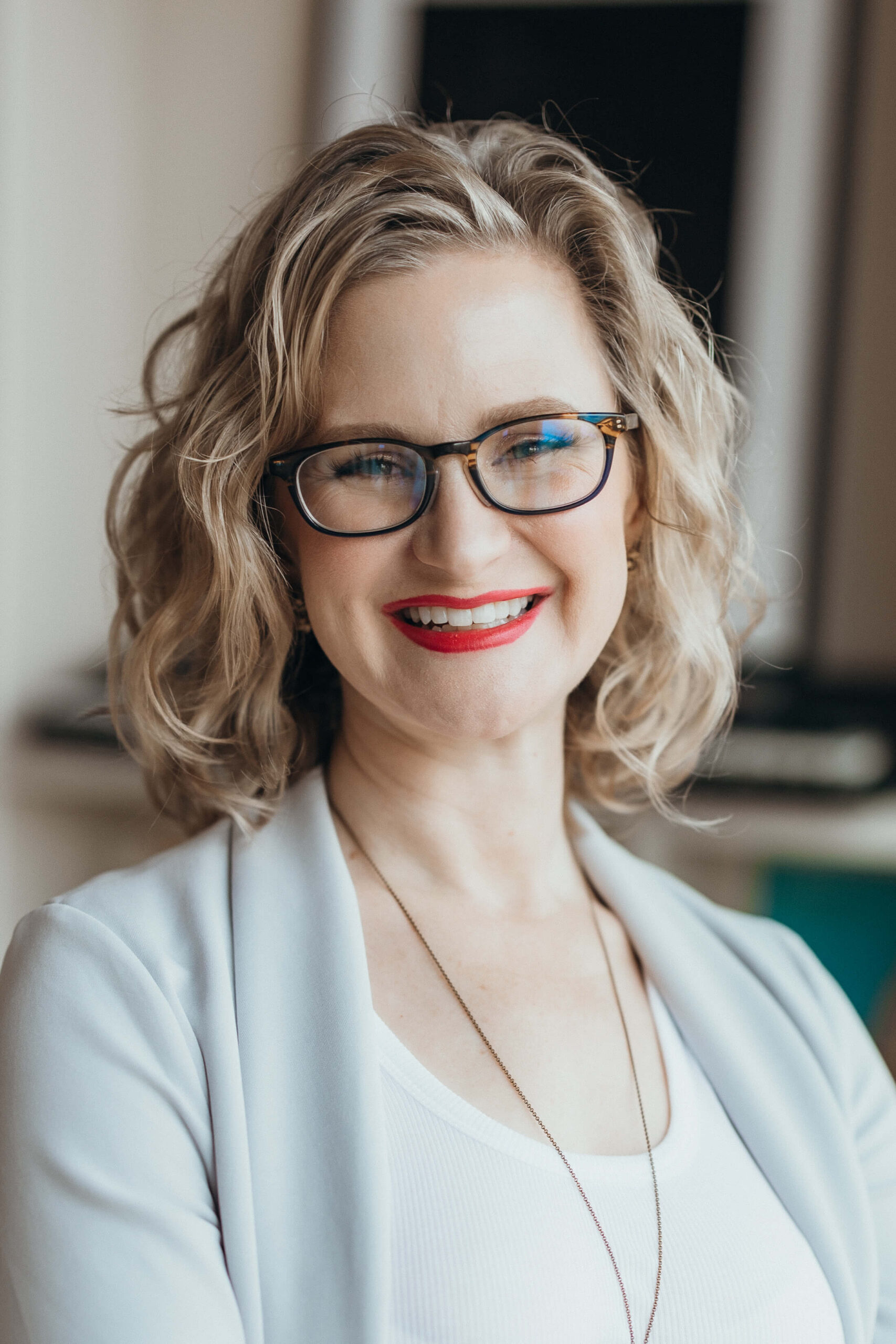
An image of Alicia Johnson
Alicia Johnson, Founder of Two Lynchpin Road, is available for interviews, podcast, radio, and television appearances, panel events, expert commentary, and insights into breaking disaster and emergency management news stories.

Credentials

  • Alicia Johnson has 20 years of experience in emergency management and disaster resilience.
  • Former Director of Emergency Management at UC Berkeley, has advised NATO, and her work has been recognized by The Obama White House.
  • Holds degrees and certifications from University of Colorado-Denver, NYU, and Harvard.
  • Clients include the state of Oregon, the city of San Francisco, the Chemical Stockpile Emergency Preparedness Program, the county of Santa Cruz, CA, Outsmart Disaster, Off the Grid, and many more.
  • Alicia has been a disaster responder and a disaster survivor—and understands what it’s like to be on both ends of the spectrum.
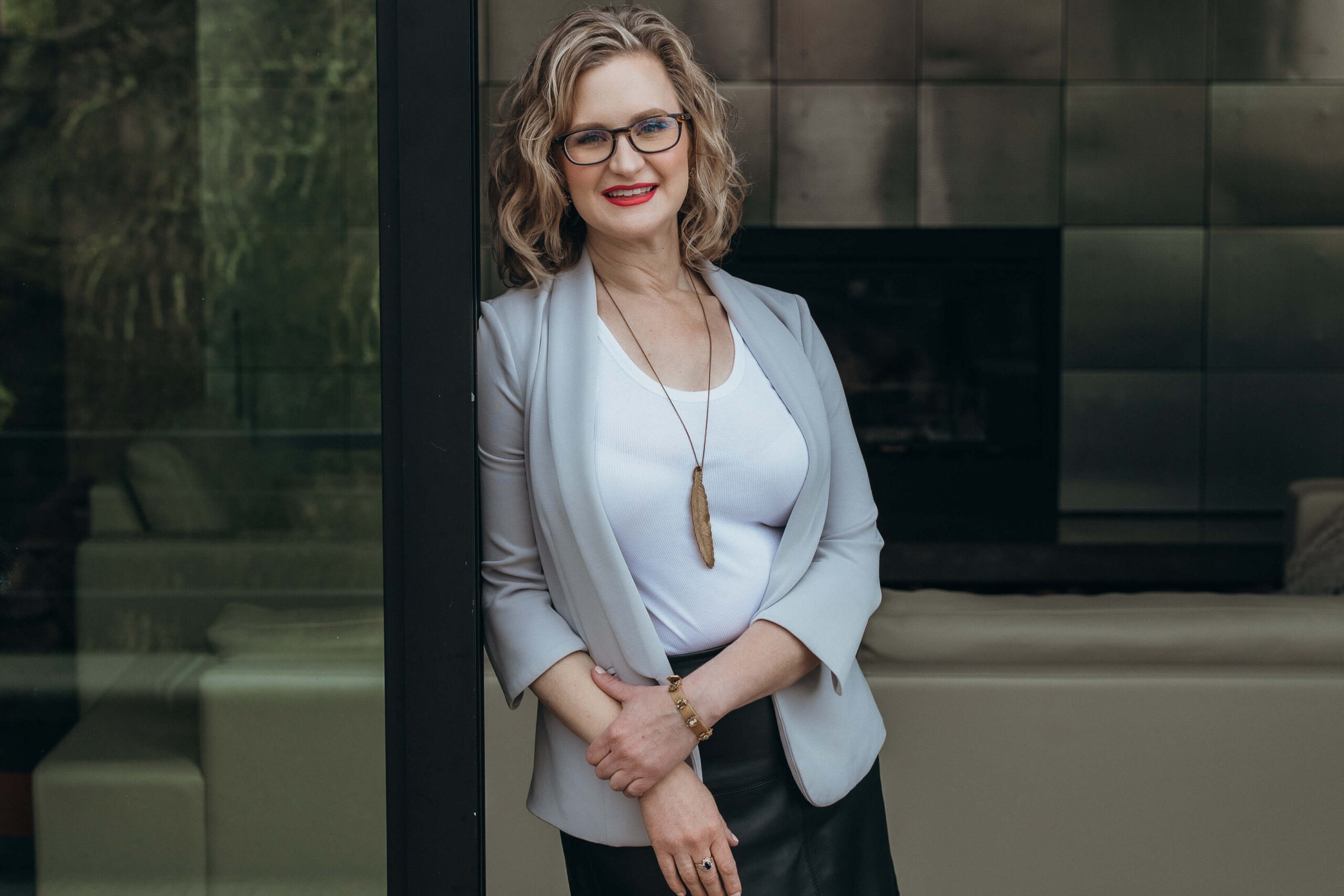
An image of Alicia Johnson

Sample Interview Questions

  • Tell us more about [emergency]. For people who are watching this unfold from afar, what are the most important things they need to understand?
  • How did this emergency happen? What information do we have?
  • Could this happen somewhere else? What kinds of [communities / organizations / areas] are most vulnerable to something like this?
  • Many people want to help survivors but don’t know where to begin. What’s a positive way to help? What’s not helpful?
  • You’re a disaster responder and also a disaster survivor, yourself. Any words of advice for people who are living through this crisis?
  • We always hear, “Create an emergency plan.” But what does that actually mean? Talk us through it.
  • Let’s talk specifically about [type of emergency]. What can people do to prepare?
  • Alicia, you often say, “You need more than a plan and a kit.” Say more about this. What should [communities / organizations / people] do before a disaster happens?
  • It’s been [number] weeks since [emergency] happened. What does the road to recovery look like and how long will it take?
  • Many people are watching from far away and wondering how to support the rebuilding efforts. What are some ways that people can help?
  • For survivors who have suffered losses, what are some resources they may not know about?

Emergency Facts

The U.S. sustained over 373 weather and climate disasters since 1980. The total cost of these 373 events exceeds $2.655 trillion. [Source: National Centers for Environmental Education]
In 2023, there were 25 weather-related disasters in the United States (up from 18 in 2022) with losses exceeding $1 billion each. [Source: National Centers for Environmental Education]
19 million people (10% of the U.S. population) have mobility difficulties. Many rely on walkers, scooters, and wheelchairs. These people are more vulnerable during an emergency, particularly if they must evacuate quickly. [Source: National Institutes of Health (NIH)]
40% to 60% of small businesses shut down permanently after going through an emergency and never re-open. [Source: FEMA]
Having an emergency plan makes it 96% more likely that your company will survive a disaster and remain open. [Source: …?]
In 2023, the US Department of Homeland Security is providing $89,140,285 to improve emergency management and preparedness capabilities. [Source: FEMA]
An image of Alicia Johnson

Quotes

Quotes from Alicia Johnson
Founder, Two Lynchpin Road

On Preparedness and Leadership

“Emergency preparedness is more than a kit and a plan. It’s a mindset. True preparedness means that you’re ready for anything. You understand how to lead your people through a crisis—any crisis—which requires more than following a checklist.”

On Survivors

“When speaking to survivors of a disaster, don’t sugarcoat things. Don’t tell them, ‘everything is going to be fine!’ Be honest and say, ‘This is probably the hardest thing you will experience in your lifetime. Healing and rebuilding will be extremely hard. And, there are resources that can help’.”

On Resilience

“Resilience is a state of being.”

An image of Alicia Johnson

Activated with

No Notice!

Every Wildland Urban Interface Community Needs a Wildfire Hazard-Specific Operations Plan!


Learn how we help communities master the challenge of disaster response.


Our Results:  2 custom tools AND an Emergency Operations Center better prepared for their leading hazard.

You have Successfully Subscribed!