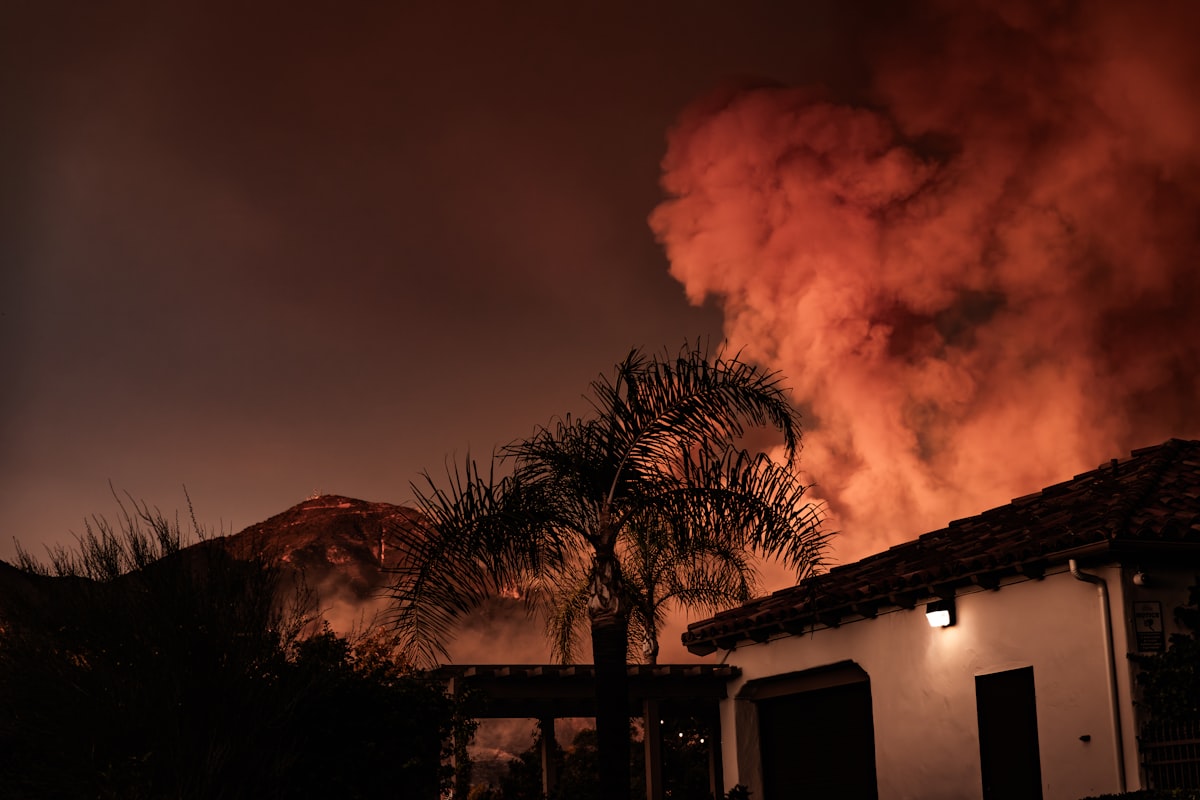
Sonoma sits at the intersection of wildfire, earthquake, flood, and cyber risk — and its emergency plans had never been properly tested. TLR serves as the city's prime emergency management partner on a multi-year retainer — modernizing the EOP, running exercises across every major hazard, and training 25+ EOC staff. The work keeps growing because it keeps compounding.
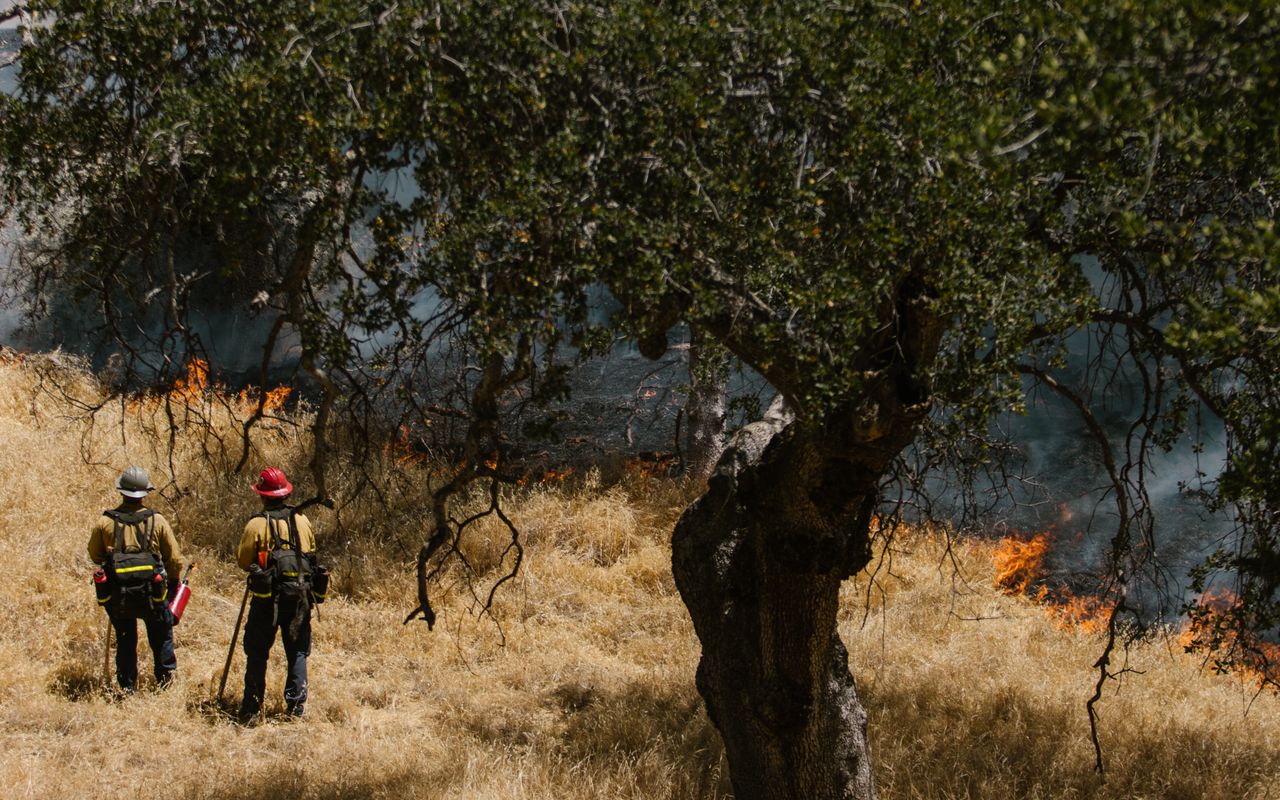
After the 2023 atmospheric river disasters, Santa Cruz County needed an honest account of what actually went wrong — before the next event. TLR analyzed 28 anonymous surveys, 16 stakeholder interviews, and 40+ documents and produced a 7-point improvement plan for CalOES in 90 days.
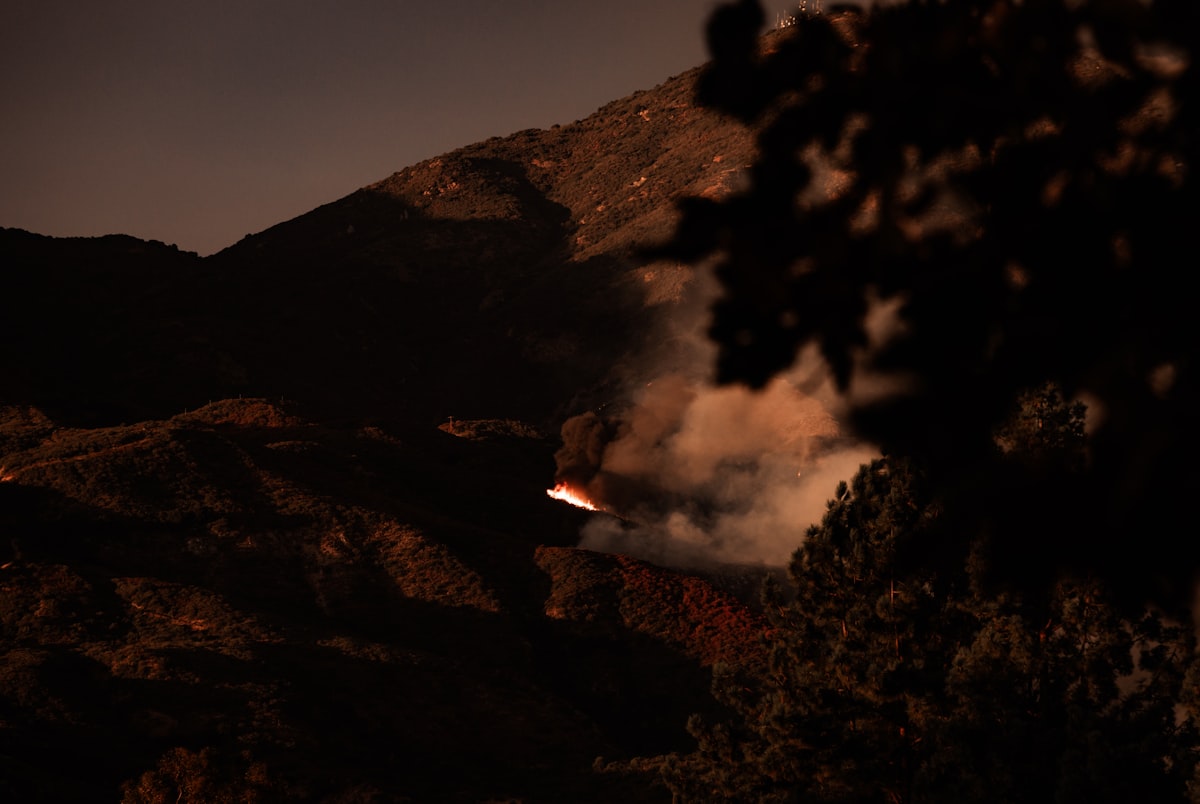
Santa Cruz County needed wildfire EOC documents that actually work in an emergency — not templates. TLR built six operational planning tools, including a first-72-hours visual workflow designed to get new EOC staff functional fast. Five sessions with 18+ county agencies surfaced the coordination gaps from prior fires. Then we fixed them.
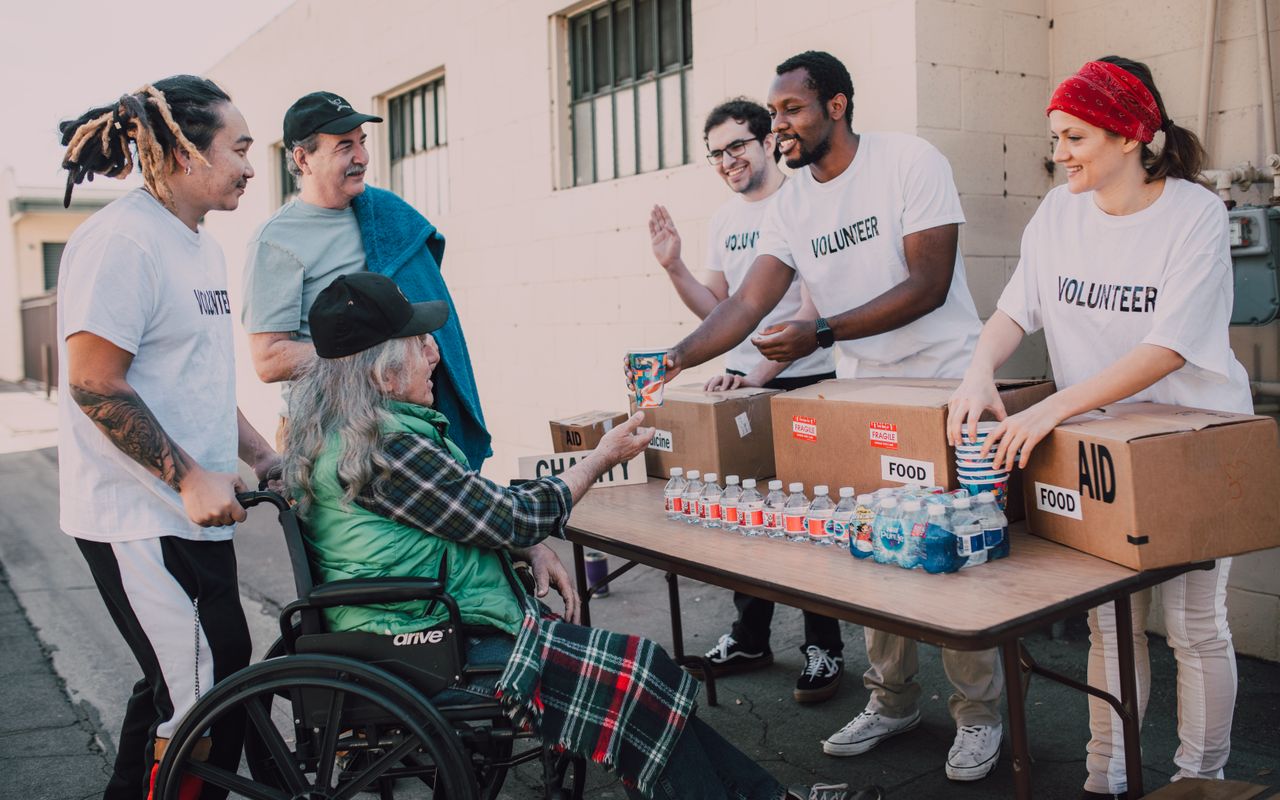
If your disaster communications only work in English, they're not working for everyone. TLR built a countywide CBO disaster response and communication framework for Santa Cruz — conducting 15+ stakeholder interviews across rural, urban, linguistic, and undocumented communities, then introducing two new structural EOC roles to make that engagement permanent across four jurisdictions.

Nobody knew where the coordination gaps were between Berkeley PD, UCPD, and city agencies — until they ran a tabletop. Working as sub to Tamarack Management, TLR designed and facilitated three scenario modules that surfaced 12+ operational gaps in real time, with prioritized improvement recommendations delivered post-exercise.

When vacant territorial positions made the original Pacific Island convening impossible, TLR didn't find a substitute — we redesigned the scope. The result: a FEMA NEHRP-funded Pacific Coast meeting in Anchorage that convened 15 earthquake program managers from four states and two FEMA regions, and produced five documented state commitments for 2024–25.
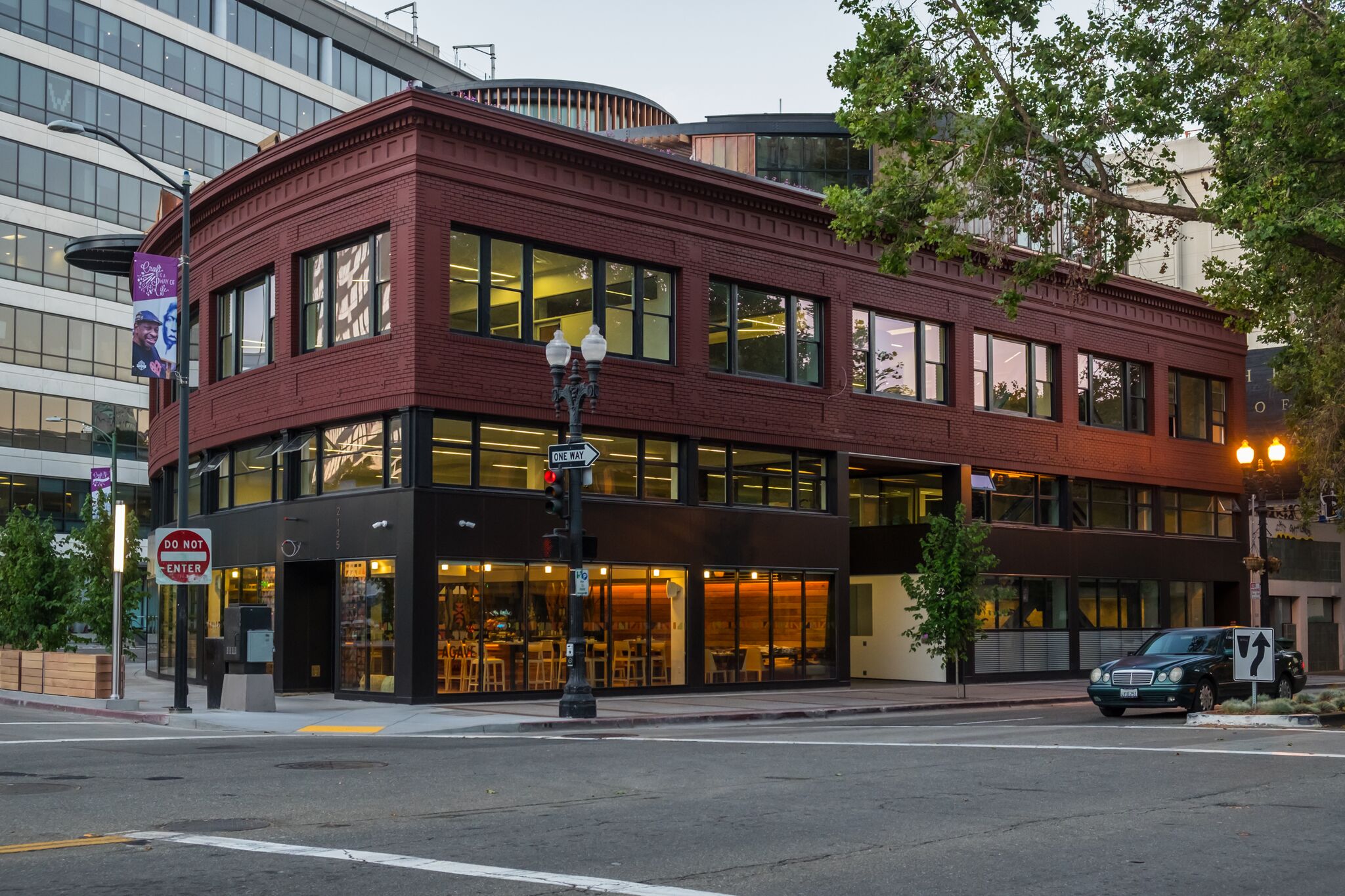
The Kapor Center's mission is built around social impact and community access. Their emergency plan had to reflect that — not just be compliant. TLR designed their preparedness program from the ground up, trained 50+ staff on-site, built a semi-annual drill program, and brought them to full Cal/OSHA compliance by the July 2024 deadline.
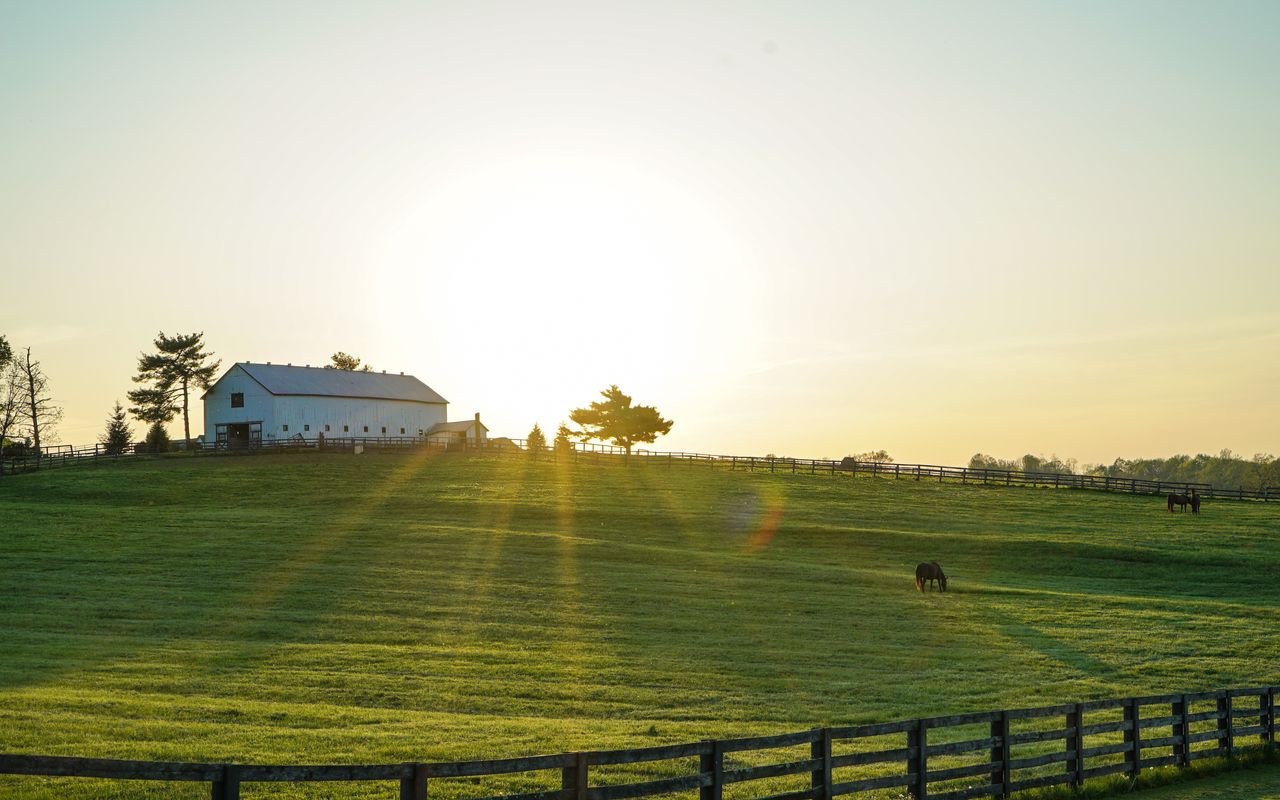
CSEPP asked communities living near chemical weapons stockpiles to stay informed and stay ready — for decades. TLR sustained community trust through the program closeout across 10 Kentucky counties, produced three Reports to Congress, and ensured accessible materials reached residents with limited English or functional needs — through final stockpile destruction.

San José needed crisis communications that reached every resident — including those with disabilities, limited English, and complex access needs. TLR applied C-MIST, developed pre-scripted templates and EPIO checklists, and aligned the Crisis Communications Annex with Bay Area UASI JIS standards and FCC/ADA requirements.

When Red Cross and World Central Kitchen scaled back from extended disaster feeding deployments, California had an uncovered window. TLR mapped it — identifying 15+ high-risk WUI counties, developing FEMA PA and BPA pre-qualification pathways, and positioning Off the Grid to fill extended recovery operations where no one else was going.

5,000+ residents, wildfire-prone Sonoma County hills, significant AFN population — and no formal evacuation plan. TLR built one from the ground up: an Emergency Action Guide, a dual-scenario TTX with 22 community leaders, agency coordination with 3 local emergency agencies, and a Train-the-Trainer model to sustain preparedness after the engagement closed.