Two Lynchpin Road is a woman-owned emergency management and resilience consulting firm. We work with communities and organizations to understand what disasters will demand and build the capacity to meet that demand before the event makes the gaps undeniable.
We're deliberate about what we take on, careful about who we bring in, and clear-eyed about what it takes to do this work well.

The emergency management industry has a template problem. Plans get copied, exercises get checked off, and communities are handed deliverables that don't reflect how they work, who they serve, or what their hazards demand.
Two Lynchpin Road exists because there's a better way to do this work — and because the communities that need it most deserve it most.
Evidence, not assumptions. Every recommendation is traceable to data, field experience, or a comparable event outcome. We don't traffic in generic best practices when your community's reality is specific.
Human systems before technical systems. The technology, the plans, the protocols — they only work if the people responsible for them are ready, and the communities depending on them have reason to engage.
Foresight over reaction. The work that prevents suffering is less visible than the work that responds to it. We've spent two decades doing both — and we know which one is harder to fund and more important to do.
No bait-and-switch. The expertise that scopes an engagement is the expertise that delivers it. Every person who works on a TLR project is held to the same standards — because the communities we serve don't have margin for less.
Our Resilience Operating System isn't a product we sell — it's the framework that organizes how we think about every community we work with. It starts with three questions that most planning processes never ask clearly enough.
We quantify it — housing displacement, debris, service surge, economic impact, governance load — calibrated against actual event outcomes. Not the last disaster. The next one.
"Most plans are built on the last disaster. Foresight is built on the next one."
We score organizational capacity across six domains and 24 indicators. Not a checklist — a real baseline and a prioritized path forward. Because knowing you have a gap and knowing what to do about it are different things.
"Resources don't recover communities — readiness does."
We measure the connective tissue between institutions and the people they serve — across five domains and 23 indicators. A community that doesn't trust its emergency managers won't evacuate. Won't apply for assistance. Won't recover fully.
"Trust is infrastructure. Build it before you need it."

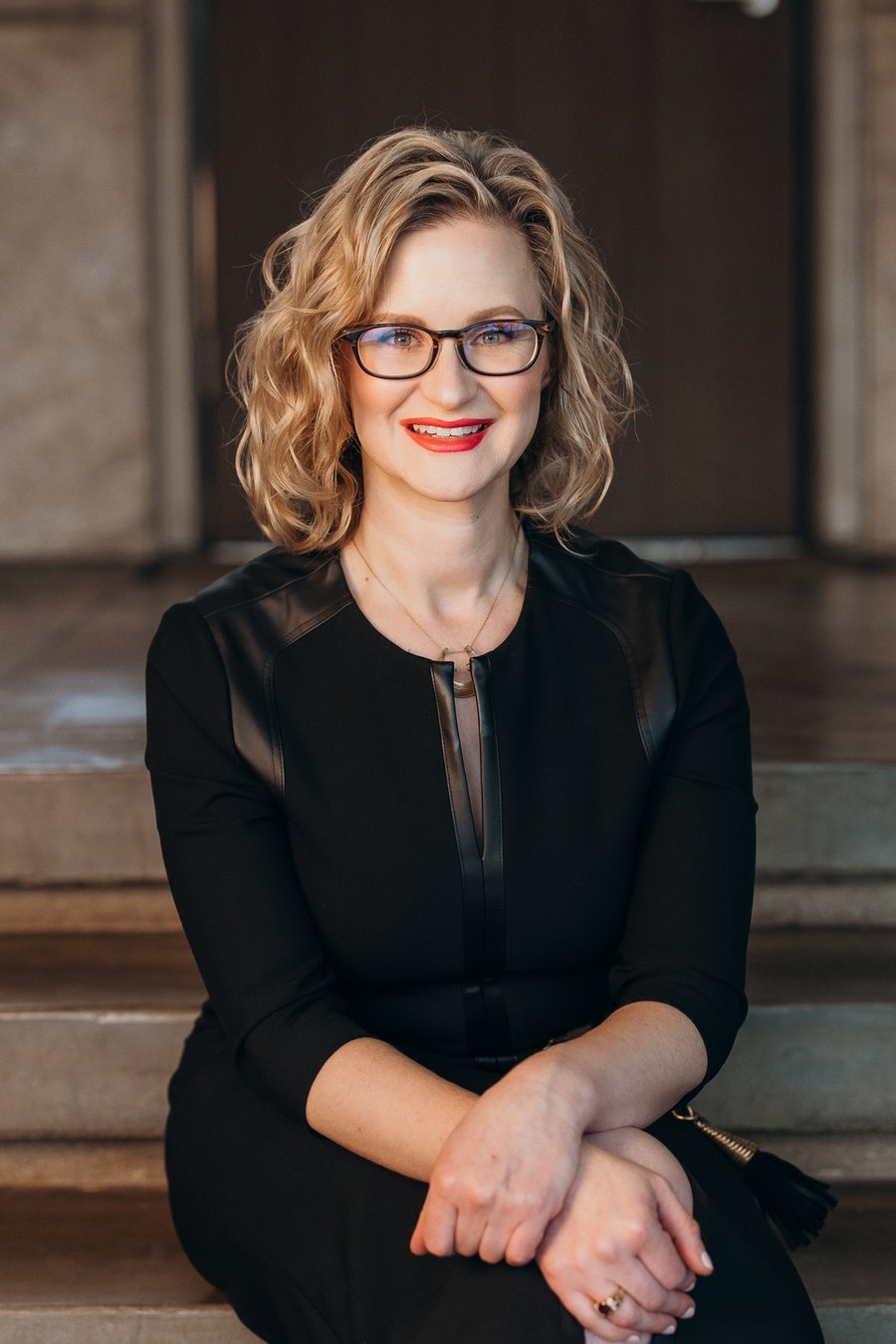
Alicia Johnson founded Two Lynchpin Road after two decades working inside the field — not consulting about it from the outside. She has served as Director of Emergency Management at UC Berkeley, advised NATO on resilience frameworks, and led or supported disaster response operations across the country. Her work has been recognized by The Obama White House.
Her clients include state agencies, cities, counties, and federal programs — from Oregon's statewide preparedness campaign to FEMA's Chemical Stockpile Emergency Preparedness Program to recovery work in Santa Cruz County. She holds credentials from Harvard NPLI, NYU, and CU Denver.
She started TLR because she kept seeing the same gap: communities with plans that didn't hold, organizations with resources but no readiness, and the populations most vulnerable to disaster being the last ones served by recovery programs. Building a firm around closing those gaps wasn't just a business decision — it was the logical conclusion of everything she'd seen.
When she's not working, Alicia is planning her next trip (11 countries down, 45 states and counting), behind a camera lens, or watching Formula 1 with her son.
We work with a carefully selected network of senior practitioners — specialists in hazard mitigation, community engagement, equity and access, exercise facilitation, and technical planning. Every person brought onto a TLR project meets the same standard: field experience, subject matter depth, and the kind of judgment that only comes from having done the work in real conditions.
We also maintain active teaming relationships with SWCA Environmental Consultants, Mozaik Solutions, Boothman Global, Arroyo West, Pearl Snap Consulting, and others — so we can bring the right technical depth to complex engagements without compromising quality.
If you're interested in joining the TLR network as a practitioner or exploring a teaming partnership, reach out directly.

Multi-year engagement on FEMA's Chemical Stockpile Emergency Preparedness Program — community outreach, training delivery, and three Reports to Congress.
Alicia's emergency management work was recognized by the Obama White House.
Graduate and professional credentials in emergency management, public administration, and resilience policy.
Women-Owned Small Business and Florida Minority Business Enterprise certified, supporting diversity requirements for government contracts in Florida and beyond.
Book a free 30-minute call. We'll talk through your situation, share what we've seen work in communities like yours, and be honest about whether TLR is the right partner for what you're trying to do.